

How the Visual Recognition Agent Works
The AIACI identifier is a multimodal agent that combines computer vision with language processing to analyze uploaded images. When you submit a photo, the agent passes it through a vision-language model trained on millions of image-text pairs. The vision component extracts features-edges, textures, color distributions, spatial arrangements-and maps them to learned categories. The language component generates a contextual response explaining what the agent identified, providing names, descriptions, and relevant context. The agent operates as a conversational interface, allowing follow-up questions about the identified subject. Identification accuracy depends on image quality and subject commonality. Misidentifications can occur, particularly with rare species or similar-looking subjects.

Multimodal Agent Capabilities
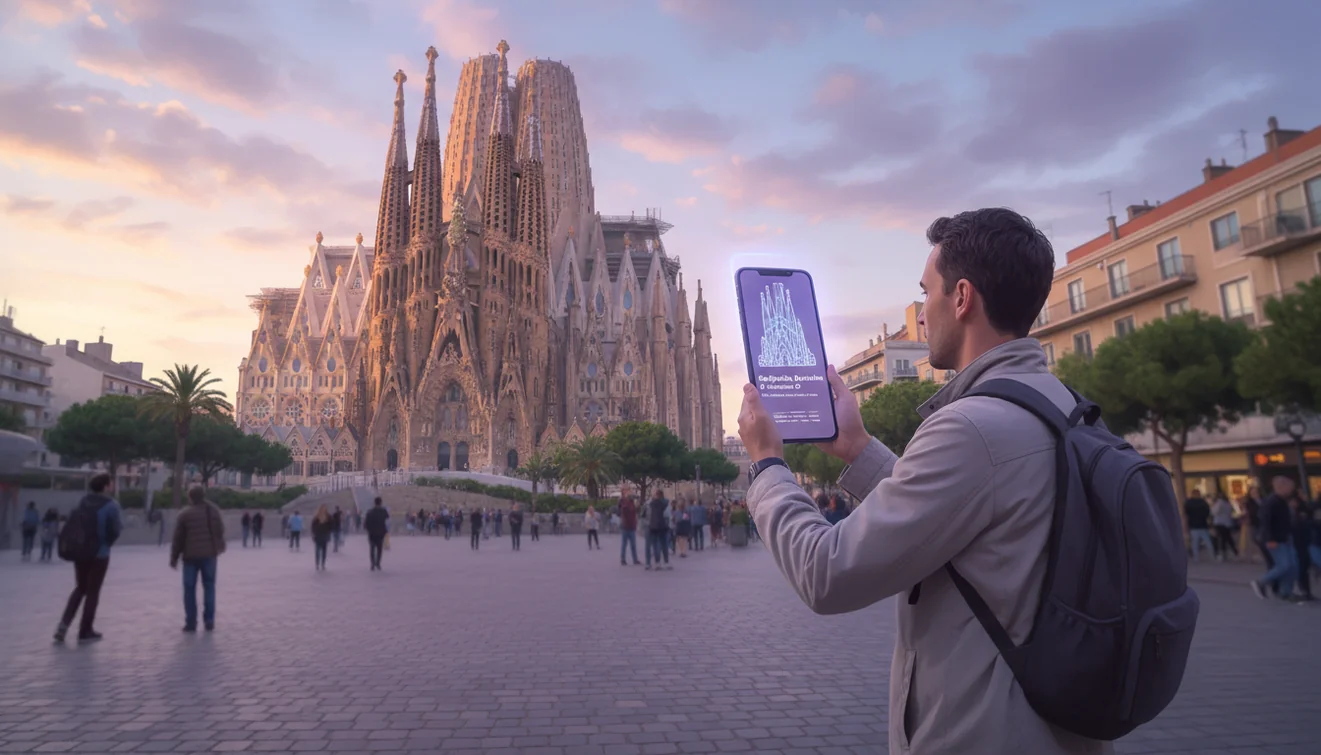
The identifier operates as a multimodal agent-it processes both visual and text input simultaneously. This enables interactions beyond simple labeling. Upload a photo of a building and ask about its architectural period. Upload a plant and ask whether it is safe for pets. Upload a document in a foreign language and ask for a translation and summary. The agent maintains context across the conversation, connecting image analysis with subsequent text-based questions.
This multimodal approach differs from single-mode classification tools that return a label without explanation. A classifier might tag an image as "butterfly." The recognition agent identifies the species, describes its geographic range, explains its lifecycle stage based on wing patterns, and answers follow-up questions about related species. The agent provides context, not just categories.
Identification Scope and Accuracy
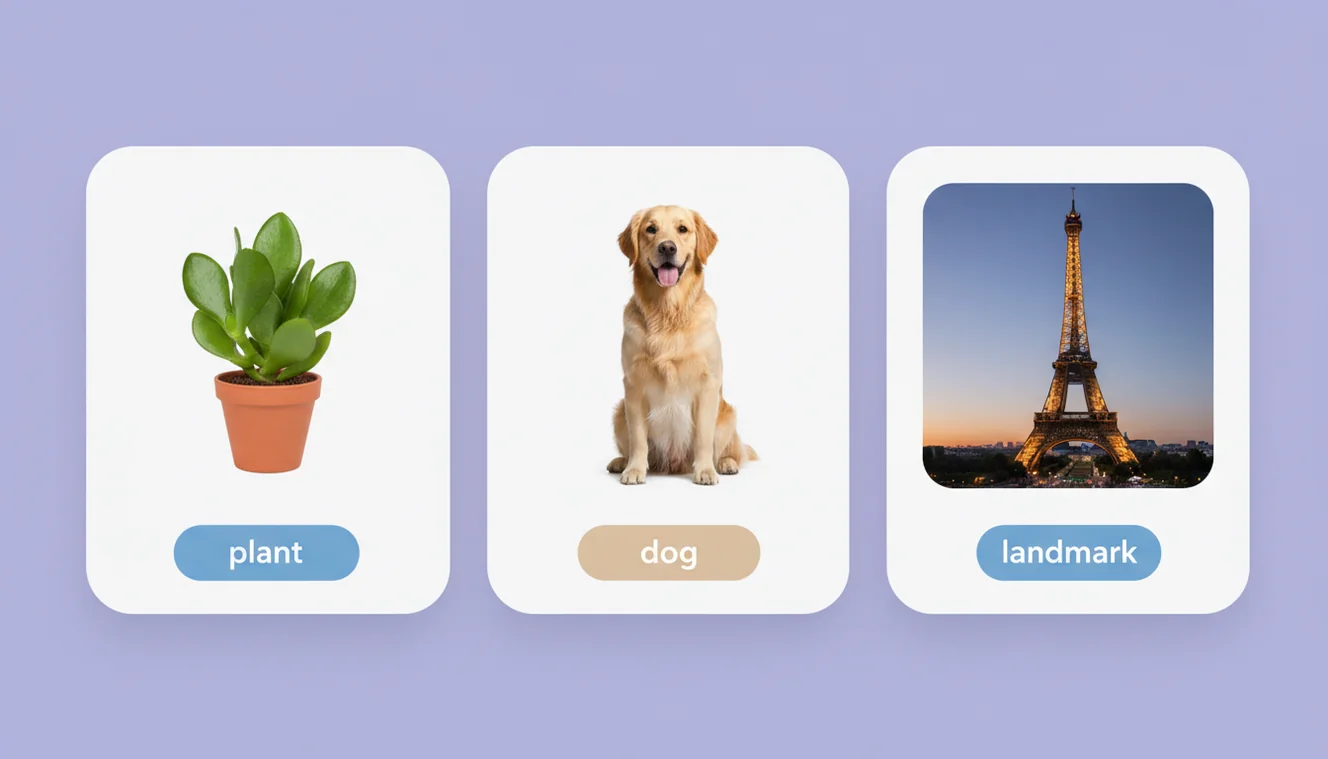
The agent identifies subjects across broad categories: fauna (birds, insects, mammals, fish, reptiles), flora (flowers, trees, shrubs, fungi), architecture (building styles, historical periods, notable structures), food (ingredients, prepared dishes, cuisine types), vehicles (make, model, approximate year), artwork (artist attribution, style, period), electronics (devices, components), textiles, minerals, and visible text in any major language.
Accuracy correlates with subject prevalence in training data. Common domestic animals, widely distributed plant species, famous landmarks, and well-known consumer products receive accurate identifications. Rare subspecies, regional plant variants, antique items, and niche technical equipment produce less reliable results. The agent indicates confidence when applicable-a definitive identification for a golden retriever versus a tentative suggestion for an uncommon moth species.
Getting Reliable Results From the Agent
Image quality is the primary factor in identification accuracy. Natural lighting outperforms artificial light and flash photography for most subjects. Frame the subject so it occupies at least a third of the image area. For plants, include leaves, flowers, and stem in the same photo. For animals, a clear profile view produces better results than a frontal close-up. For text, ensure the text is in focus and not obscured by glare or shadow.
When identification is uncertain, the agent may offer multiple possibilities. Providing additional context in your message-geographic location, approximate size, where you found the subject-helps the agent narrow results. Follow-up questions refine the identification when the initial response covers multiple candidates.
Limitations and Safety Boundaries
The agent is a pattern-matching system, not an expert consultant. It does not possess domain expertise equivalent to a trained biologist, gemologist, or art historian. Misidentifications can occur, and some carry real risk. Confusing an edible mushroom with a toxic look-alike, misidentifying a venomous snake as harmless, or incorrectly assessing the safety of a chemical based on a label photo are scenarios where agent error has consequences. Use the agent as an initial reference point. Verify safety-critical identifications through authoritative domain-specific sources before acting on results.
The agent does not identify people by name and should not be used for surveillance or identification of individuals. It processes visual content for object and species identification, not biometric recognition. Upload photos containing personal information at your own discretion-while AIACI does not store images permanently, exercise caution with sensitive visual data.
AIACI Visual Recognition App
The visual recognition agent is available free on the web and through AIACI on the web. Open AI Chat for unrestricted access to the visual recognition agent and all platform tools.